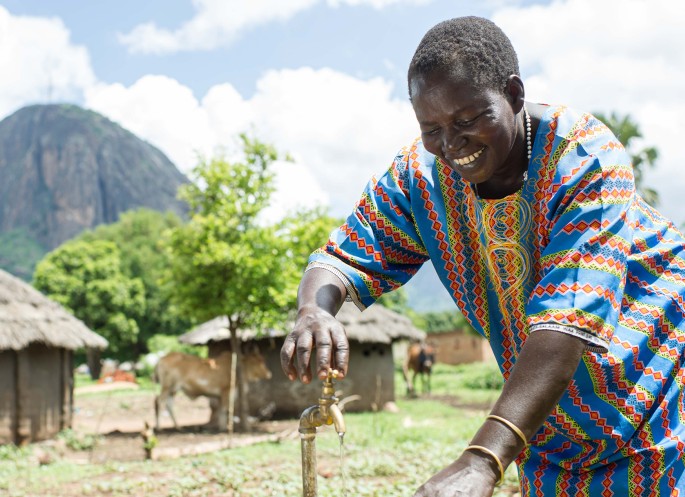

Madhukar Upadhya: 'We need to start seeing water as our biggest responsibility’
The availability of water globally is severely threatened by the changing climate compounded by faulty development practices and over extraction. In some areas, the damage to water systems is irreversible. So how do we make sure that water will remain available to affected communities? ‘To do that, we need to fundamentally change how we see water,’ says Madhukar Upadhya.
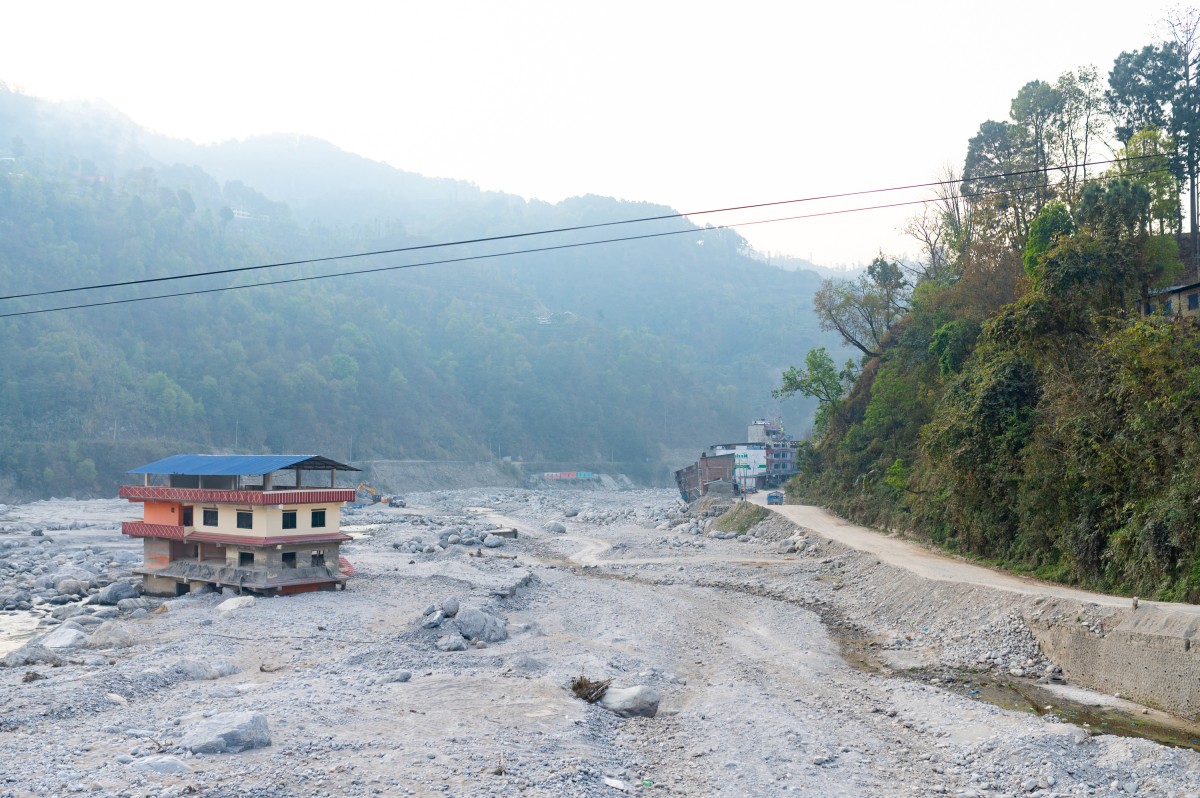
Madhukar Upadhya is a senior watershed expert from Nepal. He has decades of experience in WASH, both working with the Nepali government as well as with NGO’s. He has also been involved with Simavi's Water Justice Fund as a peer panelist, selecting proposals from civil society groups for climate funding. He has witnessed how water issues have evolved over the last decades. ‘Weather patterns have changed. In Nepal, we depended on the monsoon, the winter rains and normal rainfall throughout the year. But the monsoon is getting erratic lately, and the winter rains have failed in the last four years. This means groundwater sources are not replenished. And without groundwater, there is no water for the rest of the year. It affects everything in our lives.’
Failing rains and changing weather patterns
The changing rainfall is not unique to Nepal. Madhukar Upadhya cites the example of Iran, where winter rains have disappeared for six years. There, the situation is so severe that the Iranian government is making plans to move the entire capital of Iran due to droughts. ‘But the drought is not only here, in Asia or the Middle East, it’s in Africa, in Australia, there is a global water shortage. Because rainfall everywhere is changing.’
Decreasing funds
Madhukar Upadhya sees another issue in solving climate issues, specifically in the Global South. ‘The availability of aid is shrinking. For a long time, low-income countries have looked towards high-income countries for climate financing, but they can no longer count on that. The last UN Climate Summit has shown us that the funds for climate mitigation and loss and damage are not coming as required.’
‘We have to start working with the communities on their own solutions. Water is a local issue, so we need to be able to solve them on the local scale without big foreign intervention. And we need to start addressing water issues at the root cause, when they first begin.’

'Water is a local issue, so we need to be able to solve them on the local scale, starting at the root cause.'
Water husbandry
The answer according to Upadhya is something he calls water husbandry: ‘We have to take care of water as if it is our livestock, and our most important responsibility. You have to take care of water sources every day, to protect them from contamination, to store groundwater and efficiently use the available water. It is too precious of a resource to waste.’
Upadhya cites an example of how such water husbandry can be facilitated by collaboration between local communities. ‘One proposal for the Water Justice Fund stood out to me because it brought together two communities, one living upstream of a water source and one living down the stream, both experiencing water issues, due to the scarcening of groundwater. The people living upstream knew that if they could protect the groundwater source in their community, it would also benefit the people in the community downstream. I was impressed not only by their understanding of the water issues, but also their willingness to help other communities.’
‘It shows that you get the best results when you really know an area well, so you have to work with the local communities. They will show us things that outsiders don’t know or don’t consider. We can learn a lot from local communities.’
A special role for women
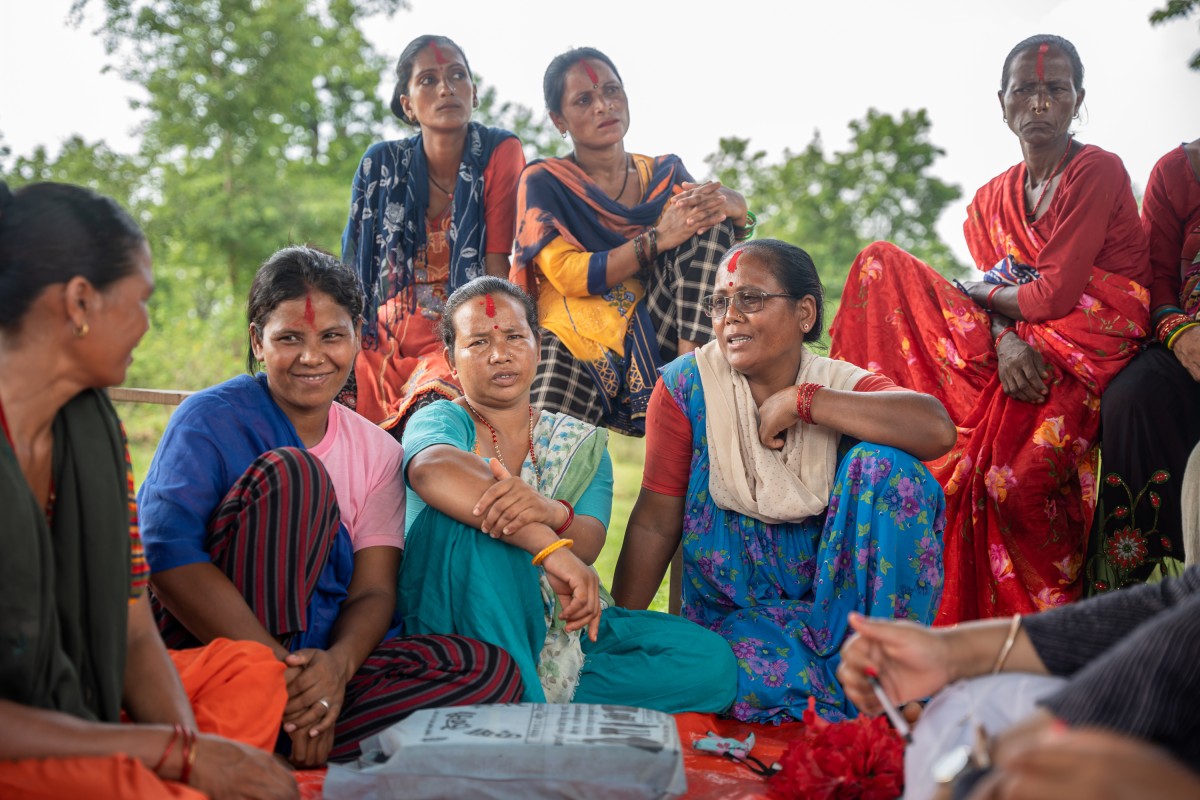
There is another element that is crucial. ‘While working for both for the government and for NGO’s, I witnessed how gender inequality and water injustice go hand in hand. Women are very rarely involved in making decisions about water management. And as water has become a very large issue, the first issues that are addressed in water management are things such as irrigation. But there is very little attention for the household level water demand, even though water is so crucial for this. And that’s when women suffer. When there is no water to take care of the household.’
‘I have seen that when we go to communities to talk about water problems, it’s the men that step forward to speak. The women often stay silent. Even though they are at the frontline of managing the water problems due to their role in the household.’
Systemic change
This is where the Water Justice Fund wants to make a difference. The fund directly allocates resources, finance and trainings to women groups who want to work to improve the water solution in their communities. Allotting them the money directly results in direct and sustainable solutions that are truly locally-led.
To further support local initiatives, in 2025 the Water Justice Fund launched Movement Building Grants. These grants are designed to support organisations, networks, collectives and individual changemakers who are pushing for systemic change for enhancing the resilience of vulnerable communities to the impacts of the water crisis.
Madhukar Upadhya believes that such small grants can be an effective way to combat climate issues. ‘The interesting thing about water problems is that they often don’t require much intervention if you manage to solve them at the right time, with the right people. If you do it right from the beginning, if you hit the nail at the right spot, a lot can be done with small amounts of money.’