
COP31 in Antalya, Turkey: What is it and what will happen?
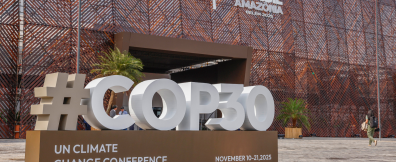
COP31 will take place in Antalya, Turkey, from 9 to 20 November 2026. The COP is the annual United Nations climate summit, officially known as the Conference of the Parties. It is a crucial moment when world leaders, policymakers, civil society organisations, knowledge institutions and businesses come together to negotiate measures to combat the climate crisis. What will they be discussing and what can we expect from COP31?
What is COP31?
COP31 stands for the 31st Conference of the Parties to the United Nations Framework Convention on Climate Change (UNFCCC). During this climate summit, governments must take new steps to limit the climate crisis and achieve the target of a maximum of 1.5 degrees of global warming. The conference is essential for making global agreements and finding climate financing for this purpose. COP decisions are made on the basis of consensus and apply to all countries that are members of the climate convention.
The formal negotiations take place in the COP Blue Zone. This is where the most important decisions and negotiations on climate change are discussed. It is only accessible to delegates from member states, observers, UN organisations and accredited civil society organisations, including Simavi (soon to be WaterAid Netherlands). In the COP Green Zone, organisations come together to share initiatives on sustainability and to network.
What does UNFCCC mean?
The UNFCCC (United Nations Framework Convention on Climate Change) is an international treaty that was concluded in 1992 during the Earth Summit in Rio de Janeiro, Brazil. The aim of the UNFCCC is to combat global warming by reducing global greenhouse gas emissions. In addition, the treaty is intended to find solutions and financing for countries that suffer from the consequences of climate change. The treaty forms the basis for international climate conferences, such as the annual COP.
COP is the abbreviation of Conference of the Parties, meaning the parties that have signed the UNFCCC treaty. Since 1995, countries have met annually to make agreements on climate policy. The 2015 Paris Agreement, which set a target of limiting global warming to 1.5 degrees Celsius, is an important outcome of previous COPs. The Paris Agreement consists of three pillars: mitigation (= reducing emissions), adaptation (= adapting to the consequences of climate change) and financing (= support from rich countries for poorer countries).
Where will COP31 take place?
COP31 will be held in Antalya, Turkey. This location was determined by a very special agreement between Turkey and Australia.
The countries had been competing with each other for more than three years to host the COP. After countless discussions, Australia finally agreed that Antalya would be the location for COP31. Although Turkey will act as the official host and facilitate all logistical and operational aspects of the conference, Australia will play an important role.
Australian Minister Chris Bowen will lead the negotiations and help shape global decision-making on climate action. Prime Minister Anthony Albanese called the agreement ‘an excellent result’ that will ensure that Pacific issues are at the centre of the discussions.
Not everyone is satisfied with this outcome. Leaders from Pacific islands, including Papua New Guinea, expressed their frustration. They had hoped to co-host with Australia but now fear that their voices will be marginalised as usual.
What topics are discussed during a COP?
During each COP, topics such as mitigation, just transition, adaptation, financing and gender are discussed. Read below what is meant by these terms.
- Mitigation means reducing the emission of greenhouse gases that cause climate change. Most greenhouse gases – the most well-known being CO2 – are released into the atmosphere by burning fossil fuels such as coal, oil and gas.
- In the Just Transition work programme, countries talk about transitioning to an economy that uses few fossil fuels in a way that does not affect the population.
- Adaptation is the process of adjusting to the consequences of climate change, in order to minimalise risks and moderate harm done to nature, people and animals. Examples include mangrove planting for habitat conservation, building seawalls to protect against sea level rise and building green roofs to reduce the urban heat island effect.
- Climate finance is the money, in the form of investments, subsidies and loans, that is needed for all these processes. Rich countries have promised to release climate finance annually for poorer countries – who do not have the resources to do so and have also contributed much less to climate change. Unfortunately, the actual transfer of funds lags far behind the promises made.Gender is also an important part of climate action.
- Women worldwide are hit hardest by the consequences of climate change and have fewer resources to protect or adapt themselves.
What is on the agenda of COP31?
Firstly, there are a number of mandatory topics on the COP31 agenda that have been prescribed by the UNFCCC. This includes a periodic review of the 17 long-term goals of the UN Agenda 2030 for sustainable development. The results of previous COPs and international climate meetings, such as the Global Stocktake and the Global Goal on Adaptation, will be discussed further.
The discussion on fossil fuels and deforestation will also continue. The Brazilian Presidency will share the latest results on the transition to other energy sources and halting/reversing deforestation, based on decisions taken at COP30.
With Australia as host, COP31 will also focus on climate justice for the Pacific. A pre-COP meeting will be held in a Pacific island nation to provide a platform for leaders of vulnerable communities to further shape the agenda.
Who will negotiate on behalf of the Netherlands at COP31?
The Netherlands' climate policy is largely determined by the European Union. During the COP, the European Union (EU) negotiates as a single party, based on the joint position established in the Environment Council. The Environment Council is the European council of all environment ministers. Who will negotiate on behalf of the Netherlands will be announced later. At COP30, it was the Minister for Climate and Green Growth, Hermans, the Water Envoy, Meike van Ginneken, and a number of various civil servants.
Why do NGOs like Simavi (soon to be WaterAid) COP31?
NGOs, including the organisation Simavi (soon to be WaterAid The Netherlands), play an important role by drawing attention to marginalised groups, such as women and girls and communities in the Global South, during COP31. Historically, these groups and communities have contributed the least to climate change, but are the hardest hit by its consequences. Simavi also draws attention to water and sanitation in climate adaptation.
In June, Simavi, together with WaterAid, will also attend the biannual meeting in Bonn, where the COP is being prepared at the official level. Dutch NGOs are working together on this in the International Climate Coalition. This consists of organisations such as Simavi, CARE Netherlands, Mercy Corps, Action Aid, and Oxfam Novib.
What does Simavi want to achieve at the COP?
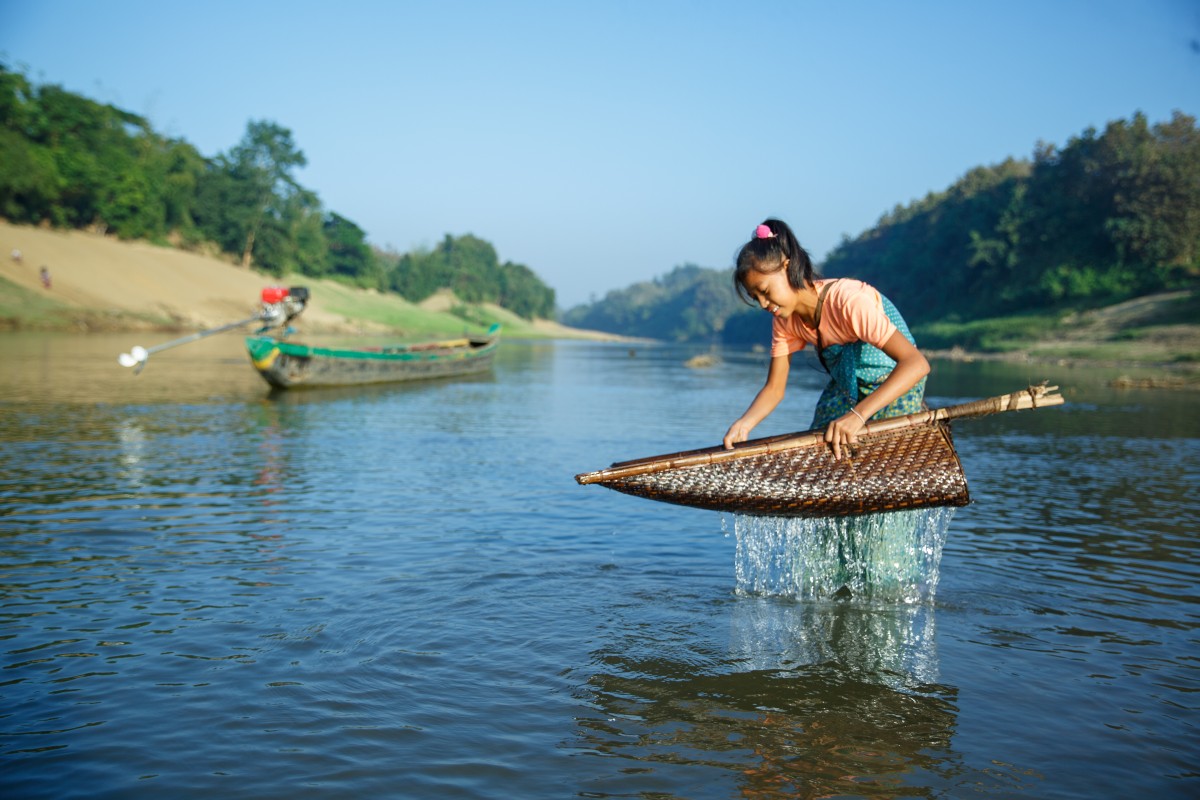
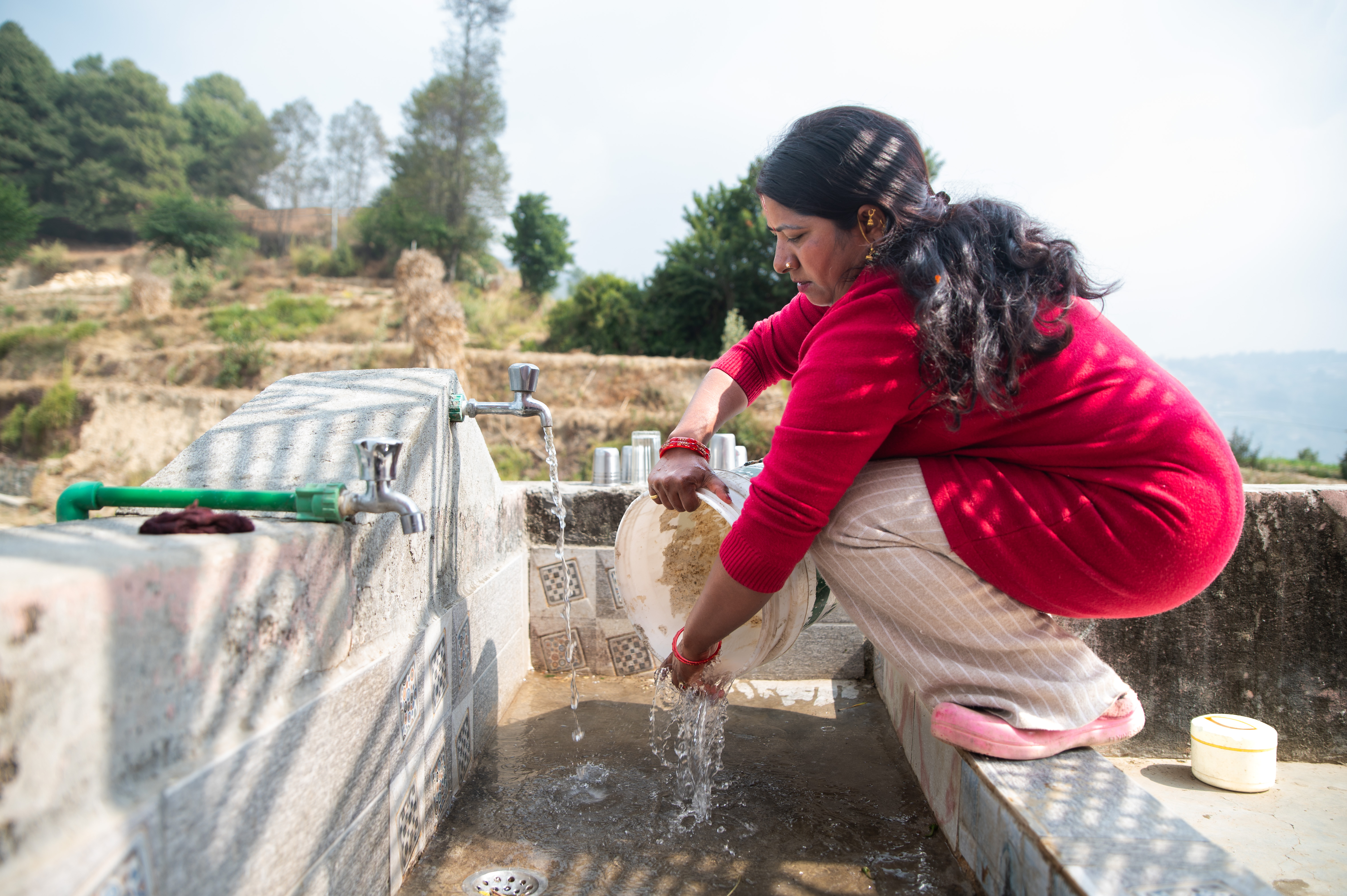
Simavi advocates for water justice. This means that everyone has access to sufficient clean water for drinking, household use and livelihoods. This access to water is under pressure due to the effects of climate change: extreme drought, salinisation of groundwater, melting glaciers, extreme rainfall and flooding. This leads to too little, too much or too dirty water.
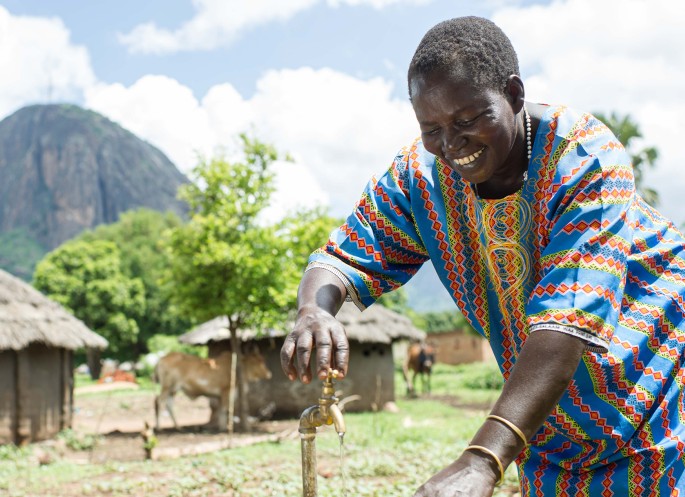
Women and girls in particular – who are responsible for fetching water in many countries – bear the brunt of the consequences of a lack of access to water. These women and girls are working hard to find solutions to this problem. That is why Simavi is committed to sound financial arrangements for climate adaptation that focus on water and sanitation. The focus is on grants rather than loans, so that countries do not fall further into debt.
At the international level, there is currently no permanent forum for decision-making on water, which limits plans for joint action. This needs to change. That is why Simavi does not only advocate for a focus on water within existing climate agreements, but also for the creation of a specific water agreement.
What were the results of COP30?
Opinions are divided on the outcome of COP30 in Belém, Brazil. The overall ambition to tackle climate change has not been increased, particularly with regard to financing, deforestation and reducing greenhouse gas emissions. However, Colombia did draft a declaration to phase out fossil fuels. The Netherlands was one of 15 countries to co-sign this declaration.
There were a number of successes in the areas of water, sanitation and gender. The Global Goal on Adaptation (GGA) now includes strong indicators for water and sanitation. A renewed global approach will better track progress on water-related adaptation.
Furthermore, the Belém Gender Action Plan (GAP) was adopted, with the aim of adding gender equality to all climate measures within nine years. This plan emphasises health, violence prevention and the protection of female environmental activists. The GAP also recognises the importance of intersectionality, given the unequal burden experienced by marginalised groups (such as indigenous women and women with disabilities).
UN Women welcomed the GAP, but also emphasised that its success depends heavily on implementation. The main question is whether sufficient funding, technical resources and capacity building will be allocated.
What are the expectations of COP31?
Efforts to agree on new procedures and regulations are taking too long, and meanwhile climate change continues to impact the lives of many. Therefore, the current expectation is that COP31 will focus on the actual implementation and enforcement of climate policy. An example of this is accelerating the global transition from fossil fuels to clean energy.
Each country must evaluate and renew its plans to reduce emissions by 2035. Together, these plans should ensure that global warming remains below the critical threshold of 1.5°C. With the way we live now, this goal will not be achieved.
The Global Goal of Adaptation (GGA) is expected to enter its active phase. This means that clarity is needed on the progress of the plan, including by measuring how much support has actually reached the population.
With Australia as host, COP31 will draw global attention to the life-threatening risks faced by small island developing states (SIDS) as a result of climate change.
What is COP32?
COP32 will be held in November 2027 in Addis Ababa, Ethiopia. This marks a major milestone: it’s the first time in 16 years the summit has returned to Sub-Saharan Africa. The move signals a growing recognition for Africa’s role in global climate diplomacy. It sparks hope that the discussions will prioritize the continent's challenges. The formal agenda has not been released yet.
Would you like to stay informed about all the updates on COP31 and COP32? Then sign up for our newsletter.